What Is the Odds of Winning the Lottery Understanding Lottery Odds
26 October 2026 | 61
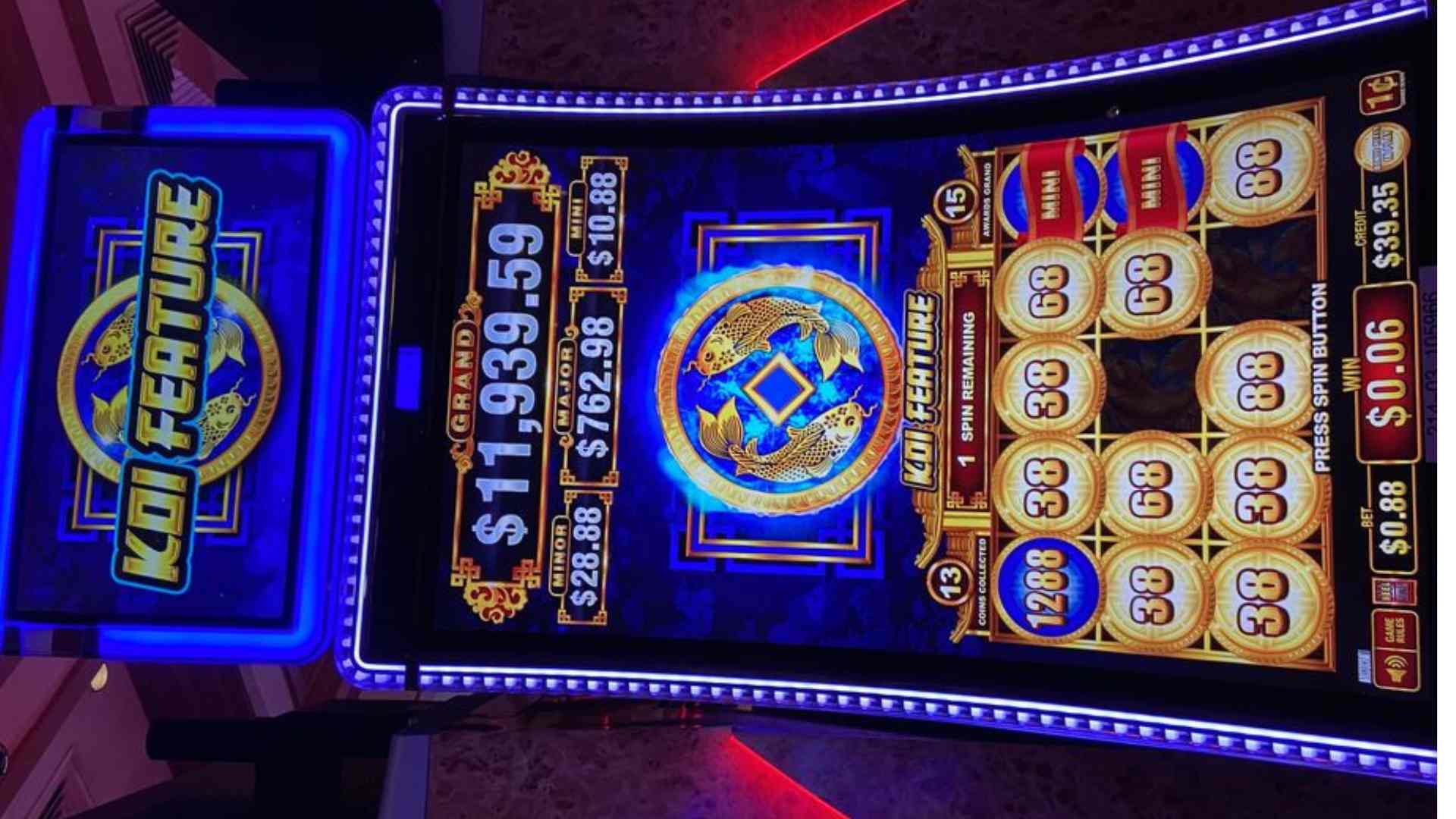
Millions of people participate in lottery games each week, drawn by the prospect of life-changing jackpots. However, grasping the mathematical reality behind these games is essential before buying a ticket. Understanding how lottery odds are calculated helps players maintain realistic expectations while enjoying the experience responsibly.
How Lottery Odds Are Calculated
Lottery odds are determined by mathematical probability based on the total number of possible digit combinations. Every number drawn reduces the remaining pool, creating staggering statistical figures for major jackpots. Understanding these underlying mechanics reveals why winning the top prize is exceptionally rare.
Smaller prizes within the same game offer significantly better statistical chances than the grand jackpot. Many gaming enthusiasts research gaming odds on sites like m88 alternatif to compare different entertainment formats and prize structures. Comparing these probabilities allows participants to make better informed decisions about where to spend their money.
Grand Jackpots Versus Secondary Prizes
While multi-state lotteries feature grand prizes with odds exceeding one in several hundred million, lower-tier divisions are far more accessible. Matching just a few numbers can yield modest payouts that cover ticket costs or offer minor rewards. Recognizing these tiered structures helps players evaluate the overall value of a ticket.
Scratch-off tickets often present vastly different odds compared to major numerical draw games. Instant games usually distribute prizes more evenly throughout the printed batch, offering higher general win frequencies. Players seeking frequent small wins often prefer these instant formats over massive drawing jackpots.
Common Misconceptions About Lottery Numbers
A prevalent myth among lottery players is that certain numbers are overdue to be drawn in upcoming games. In reality, each drawing is entirely independent, meaning past results have no bearing on future outcomes. Random number generators and physical ball machines ensure every single combination maintains identical odds in every draw.
Another frequent error involves selecting popular number patterns like birthdays or visual shapes on selection slips. While choosing these numbers does not lower the chances of winning, it increases the likelihood of sharing a jackpot with others. Opting for random combinations ensures that if a win occurs, the prize is less likely to be split.
Smart Approaches to Casual Play
Participating in lottery pools with colleagues or friends is a popular method to improve collective winning chances. By pooling funds together, groups can purchase more entries without increasing individual financial risk. While any payout must be shared among members, the boosted odds make syndicate play appealing.
Ultimately, treating lottery purchases as budget-friendly entertainment rather than a reliable financial strategy is crucial. Establishing strict spending limits prevents impulsive buying and maintains gaming as a fun activity. Knowing the true odds empowers individuals to play responsibly without unrealistic financial hopes.