Understanding Resource Management In Digital Card Games
22 November 2026 | 1
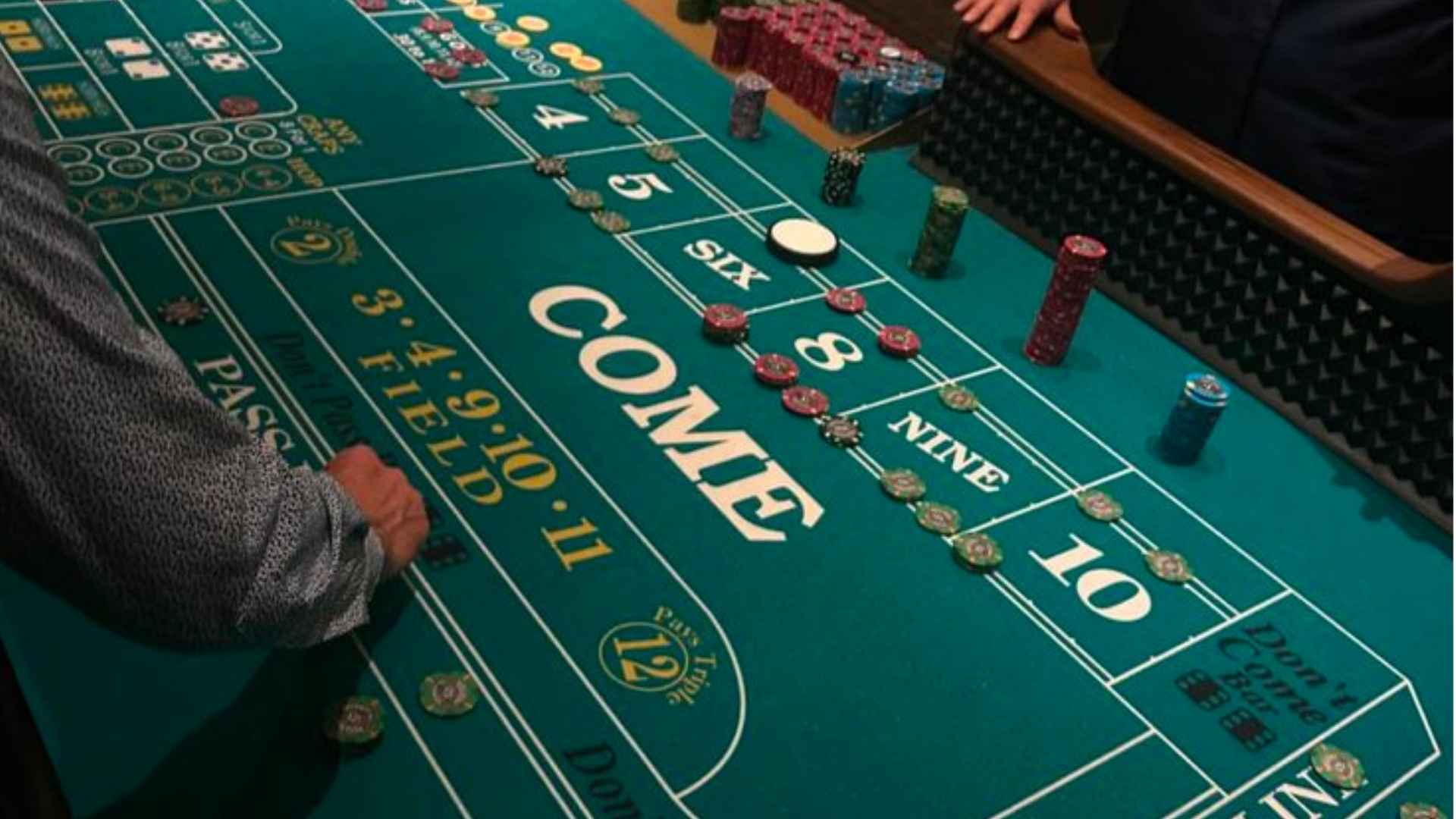
Managing resources effectively lies at the very heart of mastering modern digital card games. Unlike traditional tabletop experiences where tracking mana or energy relies on physical counters, digital titles automate these mechanics while introducing intricate economic layers. Understanding how to budget your available action points, maintain hand size, and trade cards efficiently determines long-term success in both casual and competitive play.
The Fundamental Economy of Energy and Mana
Most digital card games employ a turn-based system where players receive a set amount of resource points to execute plays. Balancing high-cost cards with lower-cost utility options ensures you do not waste precious turn equity early in the game. Learning to plan several steps ahead helps prevent situation where key abilities remain unplayable during critical turns.
Every turn represents a unique opportunity to gain leverage over your opponent by spending resources efficiently. Modern gaming platforms like m88 slot highlight how dynamic systems keep players engaged through strategic choices. Sacrificing short-term board control to save energy for game-ending combinations often separates novice players from seasoned strategists.
Hand Advantage and Card Draw Mechanics
Resource management extends far beyond the energy pool visible on the game screen; your hand size represents vital strategic options. Having a diverse collection of spells, units, and counter-effects allows you to react to unforeseen threats from an opponent. Card draw mechanics effectively replenish your options, serving as an secondary currency in every match.
Using powerful cards carelessly without replenishing your hand leaves you vulnerable to sudden board wipes. Maintaining card advantage ensures that you always have an answer to aggressively deployed enemy strategies. Players must carefully balance immediate threats against long-term hand sustain to keep their strategic momentum alive.
Evaluating Value Trades on the Board
Efficient resource allocation requires assessing card interactions through the lens of value trading. When a low-cost card eliminates a significantly higher-cost unit, a positive resource trade occurs for the defender. Over time, accumulating these minor advantages forces the opponent into unsustainable economic positions.
Understanding trade mechanics prevents you from exhausting valuable combat resources prematurely during early skirmishes. Patience often yields better returns, as forcing your rival to overcommit leads to powerful comeback opportunities. Mastering board control relies heavily on calculating these subtle value differentials turn after turn.
Adapting Strategy to Shifting Game Phases
Resource priorities shift dramatically as a match transitions from the early setup phase into late-game engagements. Early turns demand conservative play focused on establishing energy generation or card draw engines. In contrast, late-game scenarios prioritize spending maximum resources to close out victories or defend against fatal strikes.
Recognizing when to shift your resource allocation from defensive utility to decisive offensive plays is crucial. Flexibility allows skilled players to adjust their pacing based on the tempo established by their opponents. By continually analyzing the state of the match, you can maximize every point of energy available in your deck.